How to Get Suboxone in Michigan: Finding Doctors and Getting Your Prescription
Michigan’s opioid crisis claimed 2,036 lives from opioid overdoses in 2018 alone. Finding effective treatment has become urgent for many people and families in the state. Suboxone is one of the most effective options for treating opioid addiction. It helps people stay in treatment and reduces relapse rates. Knowing how to get Suboxone in Michigan can be the first step toward recovery. The process is more available than you might think. Many providers offer 5-minute phone consultations and same-day prescriptions are common. This guide walks you through how to get prescribed Suboxone, covering the step-by-step process, eligibility requirements and payment options available throughout Michigan.
How to Get Prescribed Suboxone in Michigan: The 4-Step Process
To get prescribed Suboxone in Michigan, you follow a four-step process that completes within the same day. Telehealth options let you access treatment from anywhere in the state without visiting a physical office.
Step 1: Schedule Your Appointment
Call a Suboxone provider to begin the process. The call takes about 5 minutes. During this conversation, staff will verify your insurance coverage, answer simple questions and schedule your appointment. Same-day scheduling is common.
Step 2: Complete Your Telehealth Visit
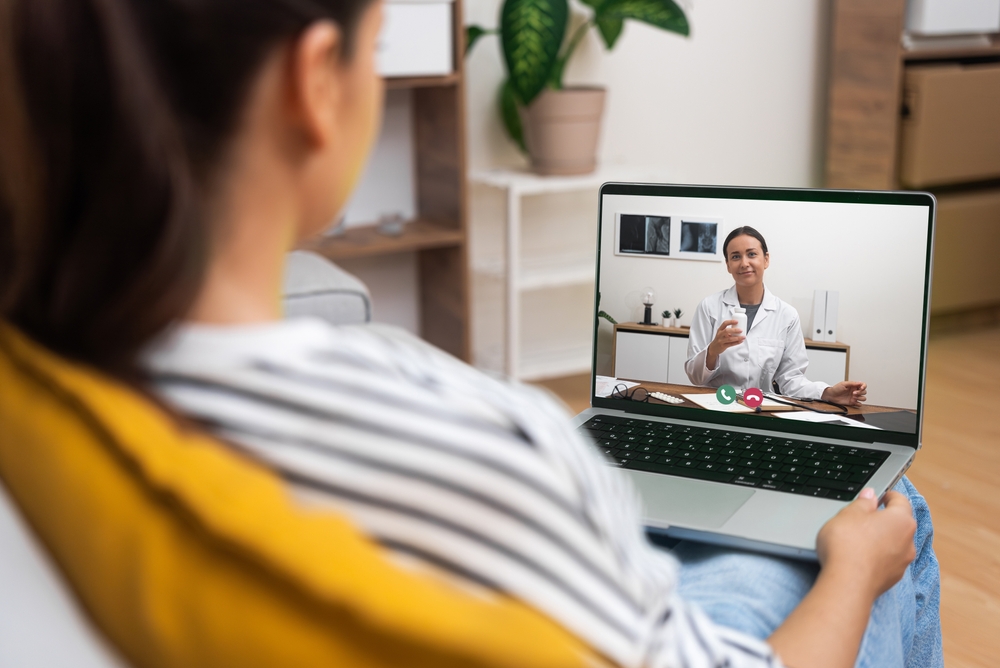
Your appointment occurs via phone or video call. It lasts about 15 minutes. A Michigan-licensed provider will review your medical history and discuss your opioid use and withdrawal symptoms. They explain how Suboxone works and determine if the medication suits your situation. You can take this call from your home, car or any private location.
Step 3: Receive Your Prescription
If Suboxone is appropriate, the provider sends your prescription to any Michigan pharmacy you choose, including CVS, Walgreens or Meijer. Most patients pick up their medication the same day.
Step 4: Begin Treatment
Suboxone starts working within 30 to 60 minutes. Your provider will schedule follow-up appointments to monitor your progress and adjust treatment as needed.
Requirements and Eligibility for Suboxone in Michigan
Suboxone is indicated to maintain treatment of opioid dependence. You must be in mild-to-moderate opioid withdrawal before starting treatment. Abstain from heroin or fentanyl for at least 24 to 36 hours, or avoid pain pills for 18 to 24 hours before your appointment. Most patients withdrawing from heroin, oxycodone, or fentanyl require a 12-hour period to develop mild withdrawal symptoms.
Your provider will review your medical history during the original visit. Certain conditions require caution, including severe liver disease, respiratory problems, and heart rhythm issues. Severe liver dysfunction (Child-Pugh score greater than 9) contraindicates Suboxone use. Pregnancy is not a contraindication. Treating opioid use disorder during pregnancy is the recommended standard of care. Breastfeeding patients can also use Suboxone, though the medication does enter breast milk.
Suboxone must be part of a complete treatment plan. You’ll attend monthly physician visits to monitor progress and adjust dosing along with medication. Weekly counseling with a certified counselor is required to support recovery. Bring your insurance card, photo ID, and a list of current medications to your first appointment. Treatment duration varies by individual, with no maximum limit[73]. Some patients benefit from indefinite treatment to reduce relapse risk.
Cost, Insurance, and Payment Options
Paying for Suboxone treatment in Michigan varies based on your insurance status. Michigan Medicaid covers 100% of Suboxone costs at $0 copay, though prior authorization is required and you must be enrolled in substance use disorder counseling. Treatment using Suboxone is limited to a 12-month period with a maximum daily dose of 24mg after 6 months of treatment.
If you don’t have insurance, expect to pay between $150 and $500 for a 30-day supply. The cost depends on whether you choose strips or tablets and your prescription strength. Most private insurance plans cover Suboxone treatment due to Affordable Care Act requirements. Major insurers including Aetna, Anthem, Blue Cross Blue Shield, Kaiser Permanente, Humana, TriCare, and UnitedHealth Group provide coverage.
Your out-of-pocket costs depend on your deductible, copay, and coinsurance structure. Copays can reach up to $470 based on your policy. Coinsurance means you split costs with your insurer in set percentages.
Uninsured patients can access sliding fee scales throughout Michigan based on income and family size. Services will not be denied because of inability to pay. Community health centers and nonprofit programs offer additional low-cost options.
Get Suboxone in Michigan Today
Accessing Suboxone treatment in Michigan is straightforward. You can complete the process in a single day through telehealth appointments, and prescriptions get sent to your chosen pharmacy. Multiple payment options exist whatever your insurance status. Call a provider today to take the first step. Recovery support is available throughout Michigan, and you don’t have to face opioid addiction alone.